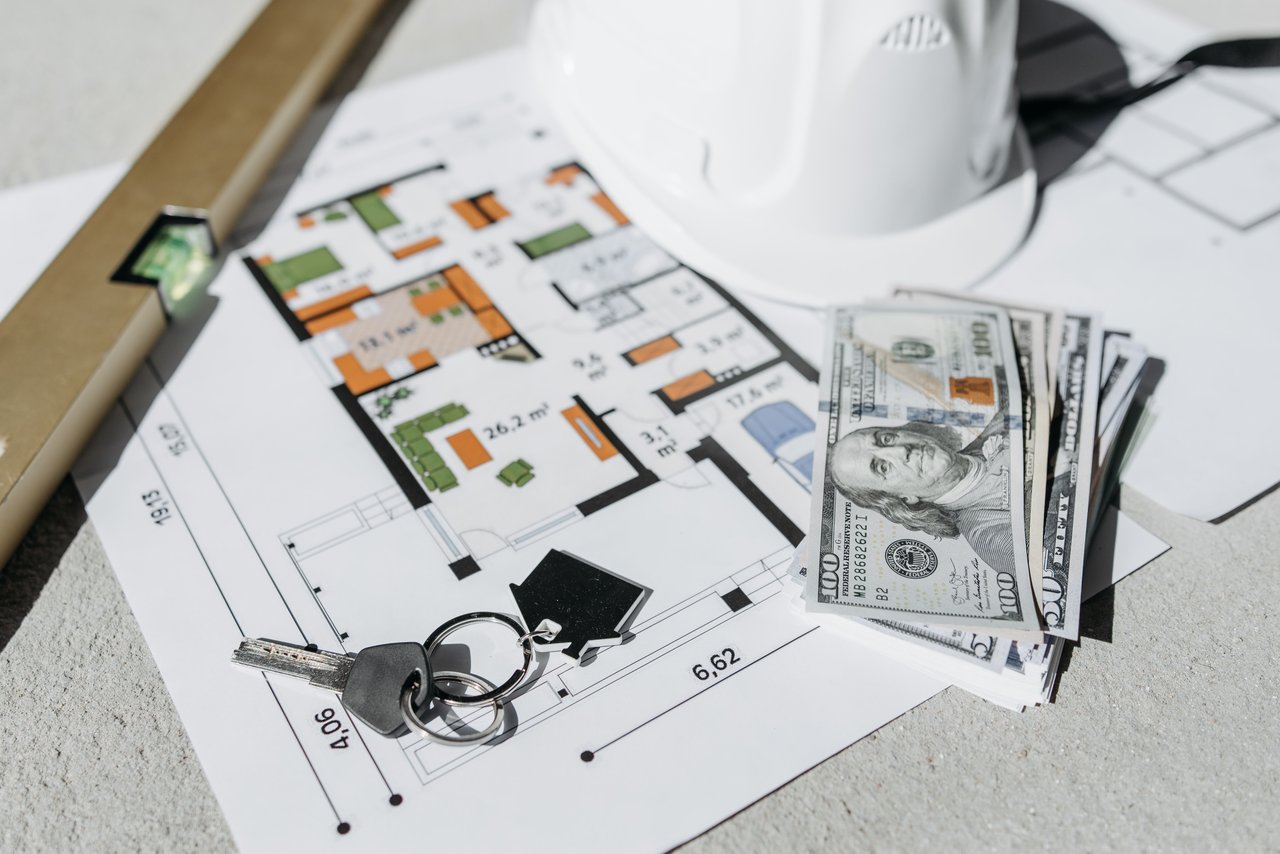
Fix-and-flip investing can be a great way to create value, but the success of a project is often determined before renovations even begin. A property may look like an exciting opportunity, but not every home that needs work will make a profitable investment.
The strongest fix-and-flip opportunities have the right combination of purchase price, location, renovation potential and resale demand. Before moving forward, investors should carefully evaluate the full project rather than focusing only on how inexpensive the property appears.
A Purchase Price That Leaves Room for Profit
A good investment starts with buying at the right price. Investors must consider the property's current condition, expected renovation expenses, holding costs, resale costs and projected after-repair value.
The purchase price should leave enough room for unexpected expenses while still providing a reasonable potential return. A property is not automatically a good deal simply because it is priced below nearby homes. If the repairs are extensive or the resale value is limited, the numbers may not work.
Successful investors calculate the complete cost of the project before making an offer.
A Reliable After-Repair Value
The after-repair value, commonly called ARV, is the estimated value of the property once renovations are complete. This figure plays a major role in determining how much an investor can afford to pay and spend on improvements.
The most reliable ARV is supported by recent sales of similar renovated properties in the immediate area. Investors should compare homes with similar square footage, lot size, layout, school district and overall location.
It is important to remain realistic. The highest sale in the neighborhood is not always the best comparison, especially if it has a superior location, larger lot or features that cannot be added to the subject property.
A Desirable Location
Renovations can improve a house, but they cannot change its location. Properties in areas with strong buyer demand, convenient freeway access, nearby shopping, appealing neighborhoods and desirable schools often have better resale potential.
Investors should also pay attention to factors that may affect buyer interest, including traffic noise, nearby commercial uses, limited parking, difficult access or an undesirable lot position.
A well-renovated home can still be challenging to sell if buyers have concerns about the surrounding area.
Improvements That Create Noticeable Value
The best fix-and-flip properties offer opportunities for improvements that buyers can easily see and appreciate. Updating an outdated kitchen, remodeling bathrooms, installing new flooring, improving lighting and refreshing the landscaping can significantly change how a home feels.
Layout improvements may also create value when they make the home more functional. However, major structural changes can quickly increase costs and extend the renovation timeline. Investors should determine whether the expected increase in resale value justifies the additional work.
The goal is not simply to make the property look new. The goal is to make thoughtful improvements that fit the neighborhood and appeal to the likely buyer.
A Manageable Renovation Scope
Some properties need mostly cosmetic improvements, while others require new roofing, foundation work, plumbing or electrical upgrades. Larger projects are not necessarily poor investments, but they require accurate budgeting, experienced contractors and a sufficient profit margin.
Investors should complete appropriate inspections and due diligence whenever possible. Conditions hidden behind walls, beneath the home or within older systems can create substantial additional expenses.
A realistic renovation budget should also include a contingency for unexpected work. Older properties rarely complete a major renovation without at least a few surprises.
Strong Resale Demand
A successful flip needs an end buyer. Investors should think beyond the renovation and consider who will likely purchase the completed home.
Is the property well suited for a first-time buyer, a growing family or someone looking to downsize? Does the floor plan meet the expectations of buyers in that price range? Are renovated homes in the neighborhood selling quickly?
The finishes, pricing and marketing strategy should all align with the target buyer. Over-improving a property can reduce profitability if buyers in the area are unwilling to pay more for those upgrades.
Enough Margin for the Unexpected
Even carefully planned projects can face delays, additional repairs or changes in the market. Holding costs such as financing, utilities, insurance, property taxes and maintenance continue until the property is sold.
A good fix-and-flip investment includes enough margin to absorb reasonable surprises. If the project only works under a perfect timeline and an aggressive resale price, the risk may be too high.
The strongest opportunities combine a supportable after-repair value, desirable location, manageable renovation plan and clear demand from future buyers. Careful due diligence and conservative calculations help investors make decisions based on the complete project rather than the promise of a dramatic transformation.
If you have an off-market property, inherited home or property that needs significant repairs, our team would be happy to review the opportunity.